Events
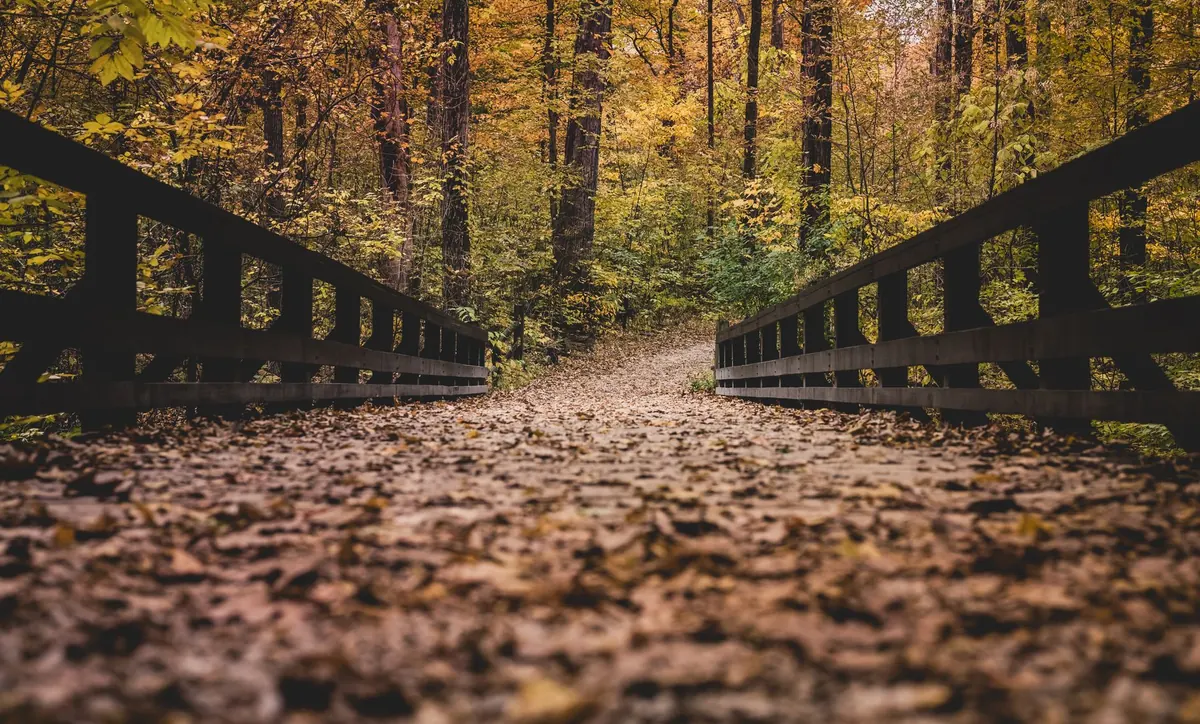
Fall in Oakley: Best Parks and Trails for Leaf-Peeping and Family Photos
The first real sign of fall in Oakley isn't the calendar. It's the morning the air smells like dry leaves and somebody's fireplace, and the cottonwoods along the creek have gone yellow at the edges. Two weeks later, those same trees are solid buttery gold, and an ordinary walk turns into something you want to photograph.
The catch is timing. Most years the color runs in a window of about three to four weeks, and one windy afternoon can strip a tree bare. Here's where to walk, where to point a camera, and how to plan a visit so you aren't standing under empty branches wondering what happened.
Reading the Season Before You Go
Peak color is a progression, not a date. Cottonwoods and sycamores along the water turn first, followed by maples and street trees, with oaks bringing up the rear in muted russet and bronze. Trees near the creek hold their leaves longer because the ground stays damp. Exposed ridges and parking-lot planters lose theirs first.
The most useful forecast isn't on your phone — it's the block you live on. Take a five-minute walk, see what's changing, then plan your outing four to seven days out. Watch for wind and heavy rain, the two things that end the season early.
Aim for the first two hours after sunrise or the two before sunset. Backlit leaves glow, while midday sun flattens everything and makes people squint. Overcast afternoons are a quiet gift: color looks deeper and faces photograph evenly, with no harsh shadows to work around.
The Creek Corridor: The Easy, Dependable Walk
For the classic fall walk with minimal effort, head to the paved path along the creek. It's flat and wide enough for strollers and wheelchairs, lined with cottonwoods and sycamores that arch overhead. Benches appear at regular intervals, which matters if you're walking with grandparents or a four-year-old who has decided their legs no longer work.
Where the creek pools, the trees reflect in the water. Go early: on weekend mornings the parking nearest the trailheads fills by mid-morning, and the path gets busy with joggers, dogs, and other families doing exactly what you're doing. After rain, fallen leaves on pavement are genuinely slick, so wear shoes with tread and slow down on the downhills.
The best stretch for photos
Find the long bend where the trees close over the path and meet in the middle. Stand at one end, shoot straight down the corridor, and let the path act as a leading line into a tunnel of gold. Have your subject walk toward you. Ten frames, and you'll have one worth printing.
Upland Trails: A Longer Walk and a Better View
Where the trails climb away from the creek, the landscape changes. You get oak woodland instead of cottonwood, which means darker, quieter color — bronze, deep russet, olive — with golden grass underneath. The oaks turn later than everything else, so these trails are your backup plan once the creek corridor has dropped its leaves.
Routes up here are steeper and less groomed. Expect roots, loose rock, and mud in shaded sections. Bring water, wear real shoes, and budget an hour more than you think you need. The payoff is the ridge, where you can see across the valley and pick out pockets of color below.
Hiking with kids
Pick a landmark and make it the turnaround: the bench, the second gate, the big oak with the split trunk. Kids do better with a destination than with "let's just keep going." Bring a snack for the top and turn around while everyone is still having a good time.
Five Photo Spots Worth the Trip
- The tree tunnel on the creek path. Best in early morning, when low light angles through the leaves.
- The creek pool reflection. Crouch low and shoot across still water, which gives the sharpest mirror.
- The ridge overlook. Late afternoon, when light rakes across the valley and shadows stretch long.
- A lone tree in an open field. Wide sky, one subject — this is the shot that looks like a postcard.
- The leaf carpet, shot low. Get the camera near the ground and shoot along the fallen leaves for depth.
On framing: wide shots are tempting, but one tree and one person usually reads better than an entire hillside. If you're using a phone, tap a face to lock focus and exposure, and skip the filters. Fall color doesn't need help.
Family Photos: Light, Wardrobe, and Realistic Expectations
Wardrobe is where most family photos go wrong. Pick two or three colors and let everyone work within them: cream, camel, mustard, rust, deep green, denim. Skip neon, large logos, and matching outfits, which tend to look stiff. Sweaters, flannel, and scarves add texture that photographs well.
Shoot in open shade or during golden hour. If the sun is directly behind your group, faces go dark; turn everyone so light hits from the side, or step into the shade of a tree and let the bright leaves be the backdrop.
Keep it short — twenty to thirty minutes is plenty with young kids. Give them something to do: walk together, toss leaves, look at each other instead of the camera. The in-between frames are usually the ones people keep. Plan a snack at the end as a reward, and skip anything sticky that will end up on the sweaters.
What to Pack
- Layers, including a light jacket — fall mornings start cold and warm up fast.
- Water and snacks, even for a short walk.
- A blanket for sitting on damp ground.
- A small towel or wipes for muddy shoes and hands.
- Sunglasses and hats for the low afternoon sun.
- A charged phone or spare camera battery; cold weather drains them faster.
- A leash and bags if you're bringing a dog.
Parking, Crowds, and the Small Stuff
Weekend mid-morning is the busiest stretch, so go before 8:30 or after 3. Weekdays are quiet. Restrooms are available at the larger community parks but generally not at trailheads, so plan accordingly. Dogs belong on leash, and staying on established trails keeps the undergrowth — and next year's color — intact. Leave the fallen leaves where they land; they feed the soil and shelter insects through winter.
A Simple Plan for the Season
Don't try to see everything in one weekend. Walk your own street on Friday to judge how far along the color is. Take the easy creek path early Saturday with the family and a camera. Save the uphill trail for Sunday afternoon, when the light is best and the crowds have thinned. Then go back in two weeks — the second half of the season looks completely different, as the oaks take over from the cottonwoods.
That's the whole trick to fall in Oakley: go early, go often, and don't wait for a perfect forecast. The best afternoon is usually the one you didn't plan too carefully.
Photo: Chris F / Pexels
Related Articles